

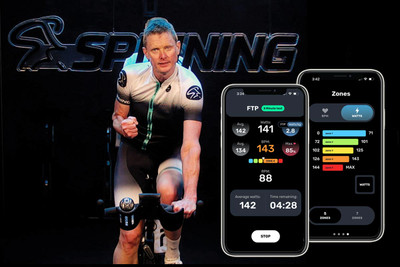
We love a great workout with Josh Taylor, but what’s even better is when that workout is also a training hack that will help you train smarter and track your progress! Clip in and ride with Josh
… read more
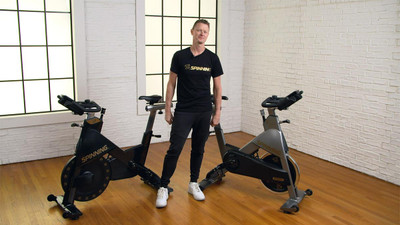
“Give me a turn to the right!” That familiar cue heard in Spinning® classes everywhere – the one that everyone understands to mean add resistance…make it harder…get after it. But what actually happ
… read more
This week, it gives us great pleasure to shine the spotlight on a member of the Spinning® community who is about to hit her 500-ride milestone on the Spinning® app! Kudos to you, Lesley E – and thank
… read more
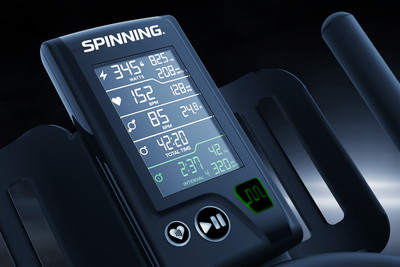
You’ve probably heard the advice, “Train smarter, not harder,” but have you ever wondered just how to make your training smart? Tracking calories and key fitness metrics is the best place to start.
… read more
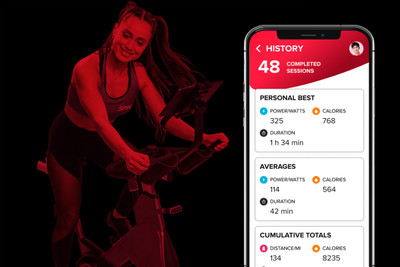
Robin Degtjarewsky has been training with Spinning® since the phenomenon first appeared on the LA scene. As VP of Content and Program Operations for Mad Dogg Athletics, she’s also been deeply
… read more

2023 proved to be a very special year indeed for Spinning®. As we reflect on some of the highlights, there are a few that stand out – like the growing popularity of the Spinning® App – and we want to
… read more
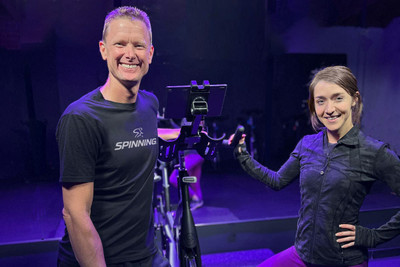
Spinning® phenoms Olivia Ellis and Josh Taylor have set a goal or two in their life – and we bet you have too. But how would you like to embrace your future goals with a newfound sense of motivatio
… read more
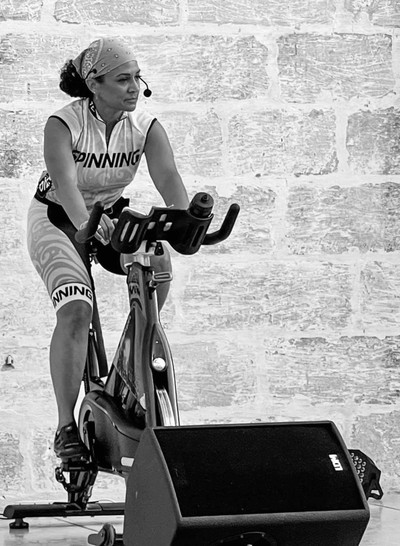
By Melanie GuadalupeLife has an unpredictable way of shaking our existence,
throwing us into a state of discomfort, and for that, we can be grateful.
Grateful, you may ask?! Yes. Grateful. At least
… read more
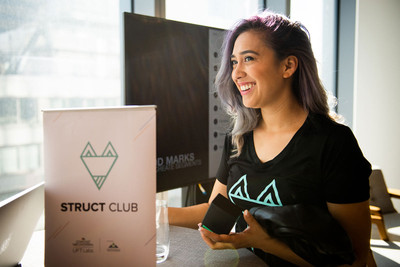
Spinning® Community: if you haven't met her already, let us introduce you to
Amira Polack, the Founder & CEO of Struct Club, an app for ride design that supports music-inspired group fitness ins
… read more
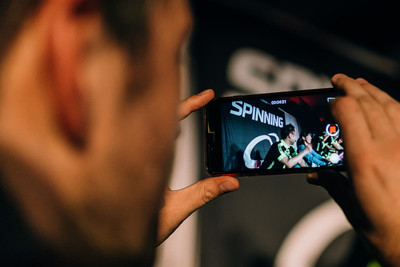
The World Spinning® Experience returns to Miami this September, and it promises to live up to the hype! It will be a comeback celebration that embraces being together as a community of instructors,
… read more
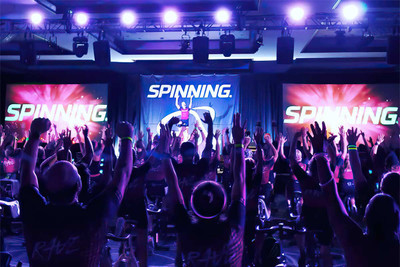
Dear Spinning® Community, I hope you are all enjoying your summer and taking a bit of time to relax and recharge before the kids go back to school, work picks back up, the weather turns and it st
… read more
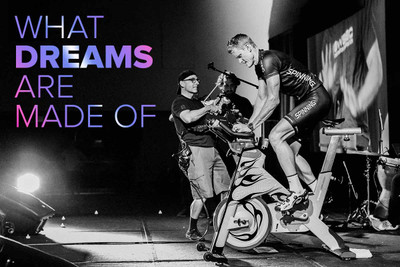
Do you dream of riding with world-renowned Spinning® Master Instructor and former professional cyclist Josh Taylor in a soul-stirring Spinning® experience? Well, World Spinning® Experience (WSX), the
… read more